
Industrial Coatings Including Epoxy, Urethane and Polyaspartic
Let us prep and coordinate your coating project today!
This category of flooring can fall under the heading of resinous but we feel it deserves its own place. Coatings usually consist of a two component product that is mixed to create a timed chemical reaction resulting in a durable product. The most common product is referred to as “epoxy”. Epoxy is only one type of these resinous coatings. There are many characteristics of these coatings that must be considered when deciding what products to use.
Epoxy, Urethane, and Polyaspartic floors are all liquid finish floors. Epoxy is available in solvent borne, water borne, and 100% solids. The percentage of solids is important and the best way to think about the quality of the product you are receiving. The higher the percentage of solids the less product will “evaporate” after curing.
Along with the different types of chemicals, there are options for anti-microbial, aggregate inclusion, decorative finishes, and anti-slip additives. Based on your need, we can recommend a product that will provide the necessary characteristics. Our team of highly skilled and experienced flooring specialists can handle all aspects of your industrial coating project, from surface preparation to the final coat.
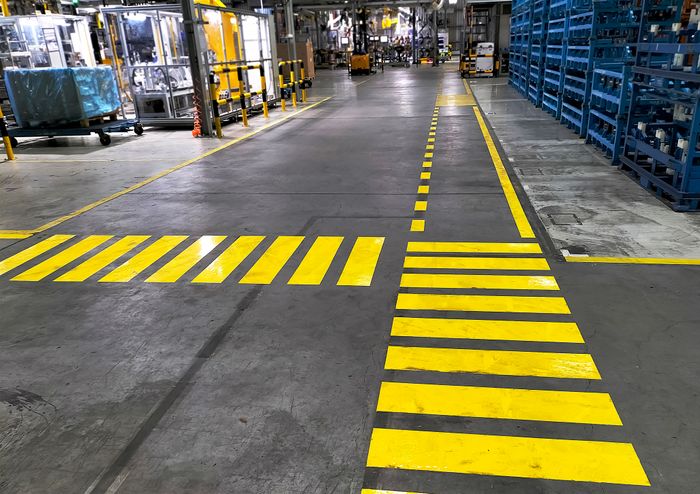
Line Striping Services
Ground Floor Contractors specializes in durable high-quality line striping services that are crucial for maintaining clear and safe markings in parking lots, warehouses, and industrial facilities. Our experienced team ensures precision application of durable traffic paints designed to withstand heavy vehicle traffic while adhering to compliance standards.
Traffic Paint Application
Warehouse Floor Striping
Industrial Safety Lines
ADA Compliant Layouts
Pavement Markings
Safety Marker Systems
Pedestrian Aisleways
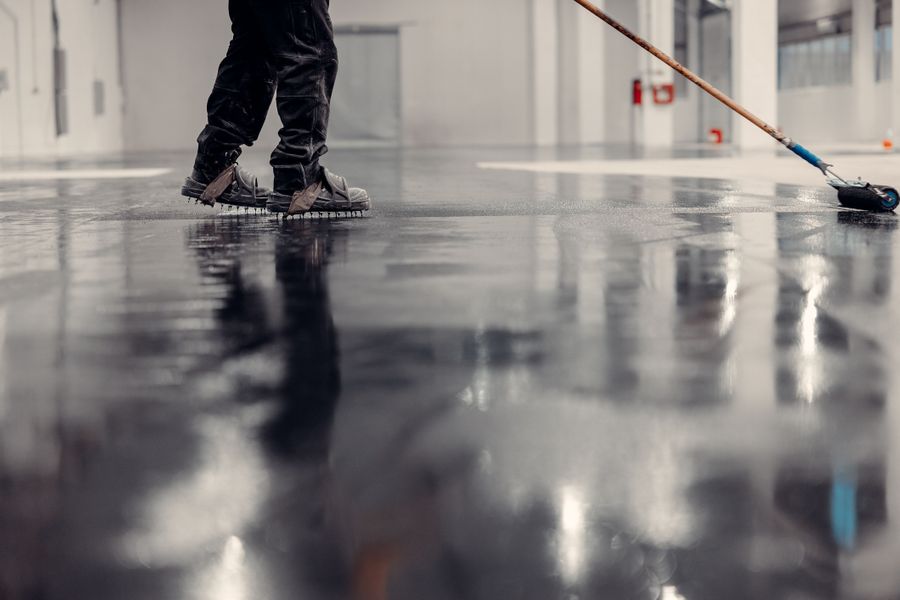
Epoxy vs Urethane Cement vs Polyaspartic: Industrial Use Cases
Industrial floor coatings are not one-size-fits-all. Epoxy, urethane cement, and polyaspartic flooring systems each perform differently depending on factors such as chemical exposure, thermal shock, moisture conditions, and installation downtime. This guide explains how each coating technology works, where it performs best, and how facility managers can select the most durable system for warehouses, manufacturing plants, food processing facilities, and other demanding environments.
Read the full guide: Epoxy vs Urethane Cement vs Polyaspartic: Industrial Use Cases
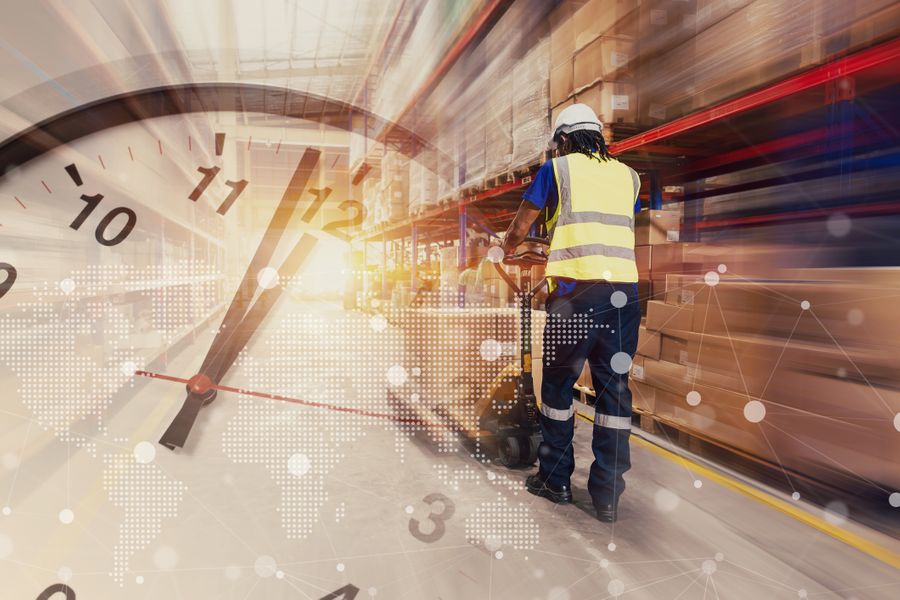
Downtime-Sensitive Flooring Systems for 24/7 Operations
For facilities that operate around the clock, shutting down production for floor installation is often not an option. Modern fast-cure flooring technologies, such as polyaspartic coatings, rapid-set epoxy systems, and specialized urethane cement formulations, allow contractors to install high-performance industrial floors with minimal operational disruption. This guide explores the flooring systems and installation strategies that help 24/7 facilities return to service quickly while maintaining long-term durability.
Read the full guide: Downtime-Sensitive Flooring Systems for 24/7 Operations